The Next Wave: FLiQC Meets Future Quantum Talent at SQA Careers Fair

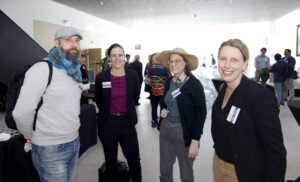
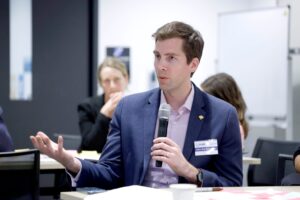
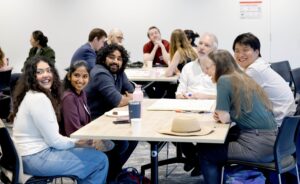
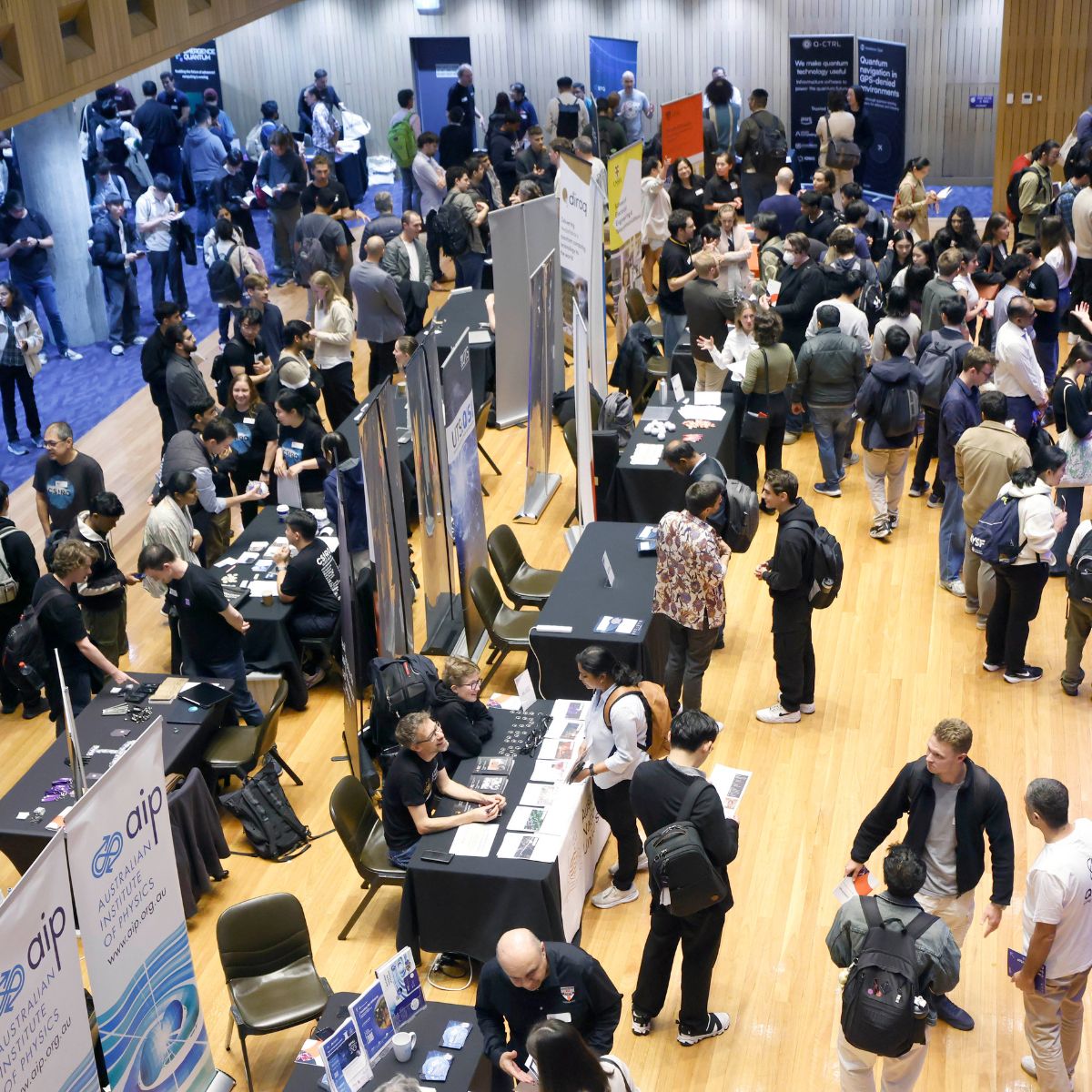
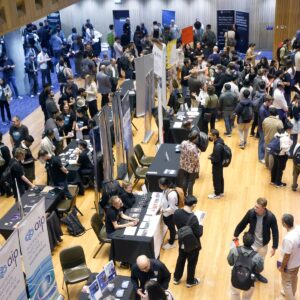
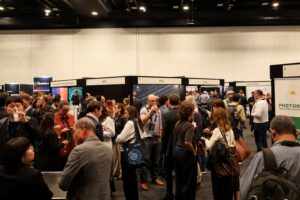
Australia’s quantum workforce pipeline was front and centre at Sydney Quantum Academy’s Quantum Future Talent 2026 Careers Fair, where FLiQC engaged directly with the next generation of PhD candidates.

Held on 18 May at the Sydney Masonic Centre, the free event drew more than 30 employers and university representatives, reflecting the scale of an industry projected to reach $6 billion and employ nearly 19,400 Australians by 2045.

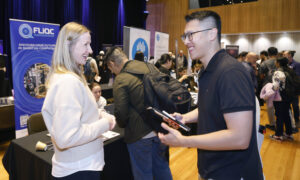
FLiQC used the day to connect with students weighing up doctoral pathways, fielding a question that came up repeatedly: what makes an industry-embedded PhD different from a traditional one? The answer lies in the structure, candidates work alongside industry partners on real problems, building professional experience and research depth simultaneously.

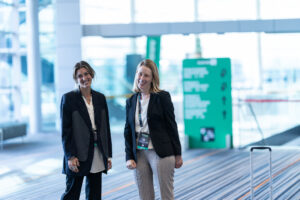
Adding a personal dimension to the day, the fair also provided an opportunity to meet face-to-face with several prospective candidates who had applied for the FLiQC scholarship round that recently closed, putting names to applications and beginning what may become the next chapter of the FLiQC cohort.

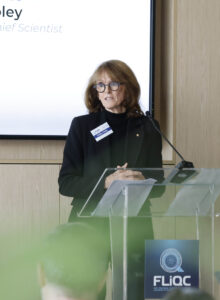
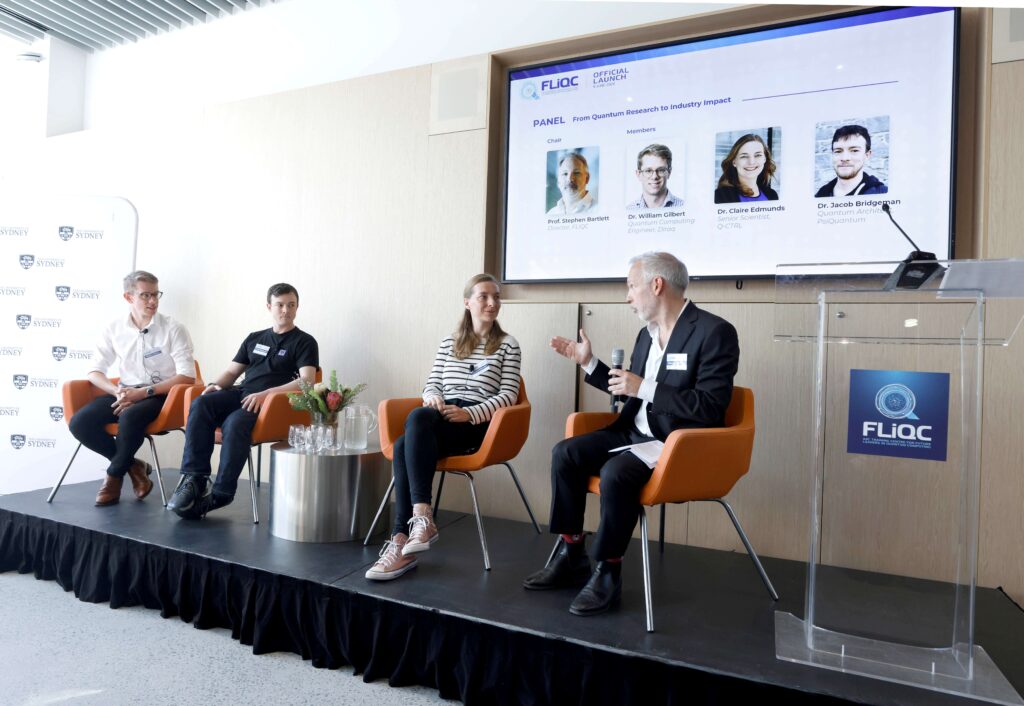
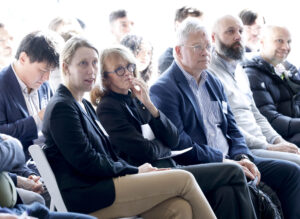
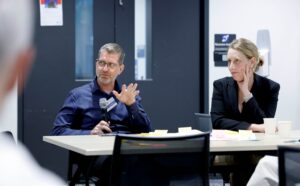
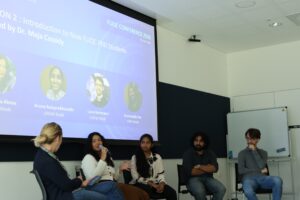
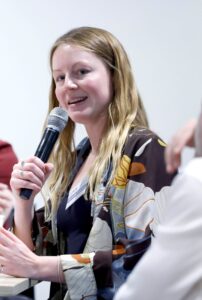
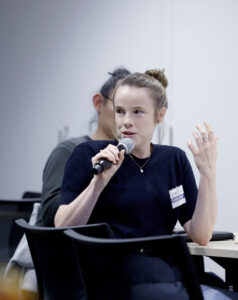
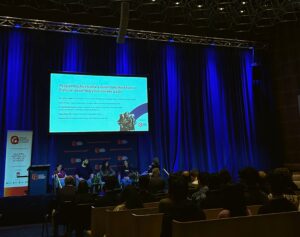
The event closed with a panel discussion chaired by Dr. Cathy Foley, featuring FLiQC Chief Investigator Dr. Maria Kieferova alongside representatives from industry partners Silicon Quantum Computing and Diraq.


Quantum Australia Conference 2026

The tension between commercial urgency and curiosity-driven research took centre stage at Quantum Australia 2026, where FLiQC contributed to key conversations shaping the sector’s direction.

Held over two days in April, the conference brought together more than 830 participants from 18 countries to examine the state and future of the global quantum industry.

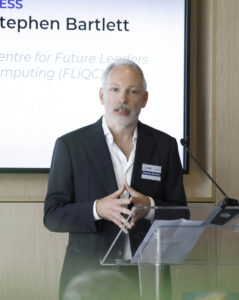
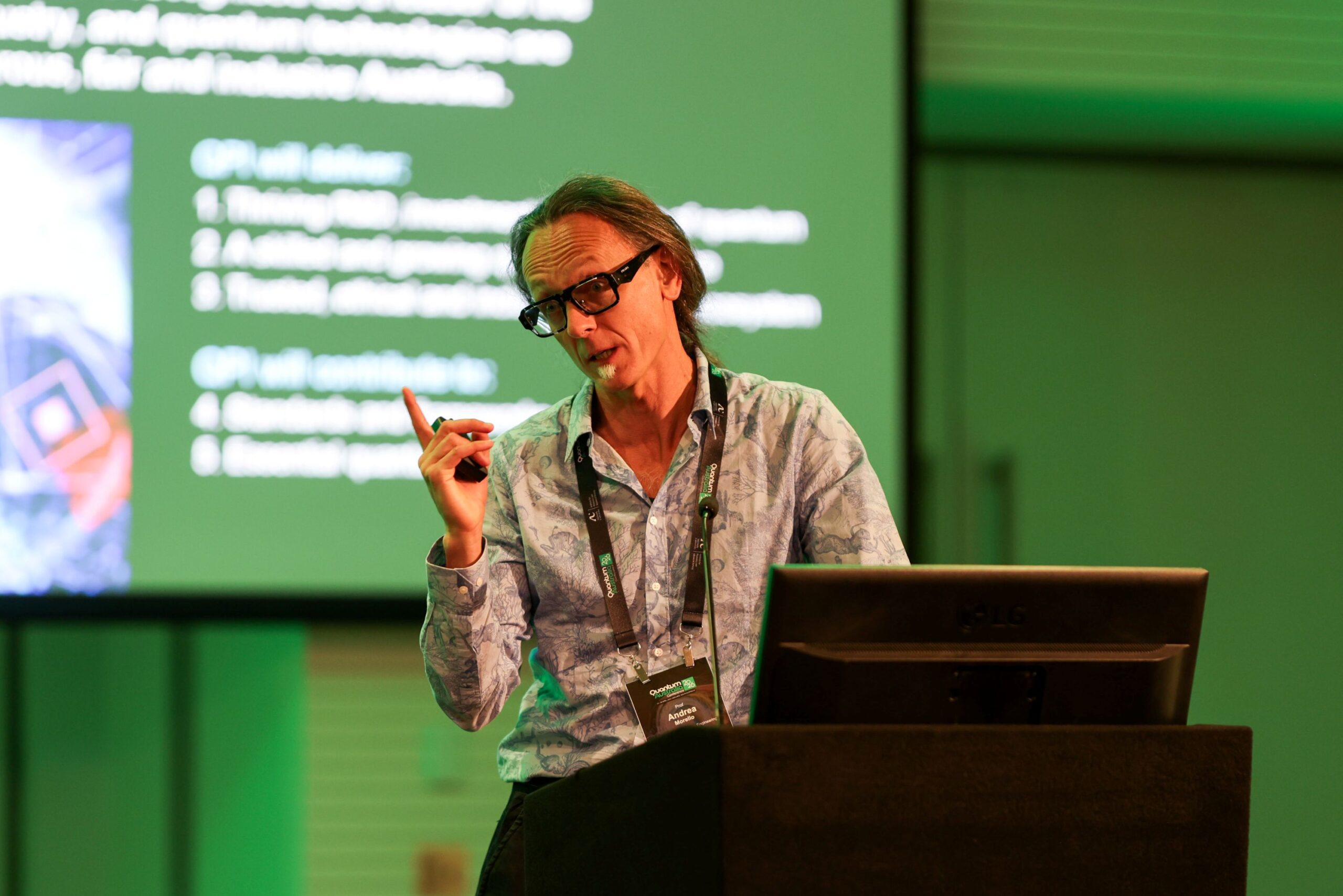
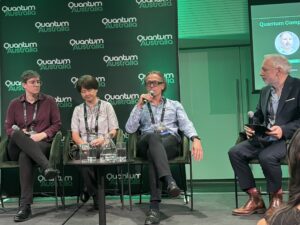
FLiQC Centre Director Prof. Stephen Bartlett chaired a panel on how early-stage research is shaping future quantum applications, joined by Chief Investigators Prof. Andrea Morello and Prof. Jingbo Wang. The discussion posed a question central to the field’s maturation: if a million-dollar quantum computer were built tomorrow, what would we actually use it for?

The panel made the case that answering it requires both industry execution and academic research working in concert. Universities, Prof. Morello argued, bring a distinct advantage, the freedom to pursue unexpected directions that often yield the most significant breakthroughs. Industry, in turn, was unambiguous about what it needs: more of that research, and the graduates it produces.

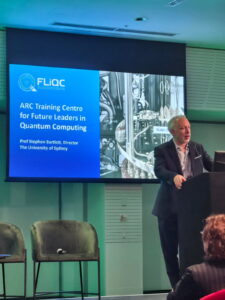
Prof. Bartlett also contributed to the Australia’s Quantum Research Powerhouses session, highlighting FLiQC’s work in building a quantum-ready workforce through close partnerships with universities and industry. Chief Investigator Dr. Christina Giarmatzi added her voice to discussions on communicating quantum to industry, policy makers, and the broader public, an increasingly important challenge as the field moves toward commercialisation.

Beyond the sessions, FLiQC’s booth served as a hub for the connections that underpin the work, bringing together partners, researchers, and collaborators to strengthen Australia’s quantum future in person.

o 

Inside our Quantum Computing School: Two Days That Could Change Your Career Path

Over 40 students got a rare, immersive look inside the world of quantum computing research, and the people driving it forward.


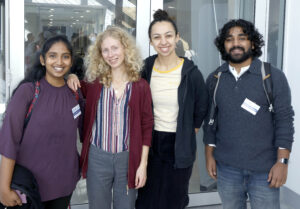
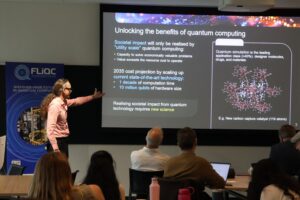
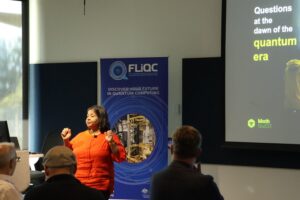
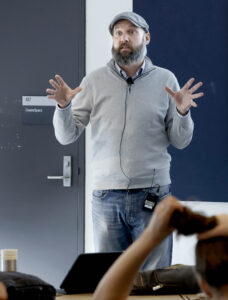
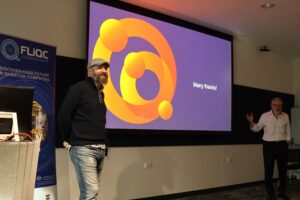
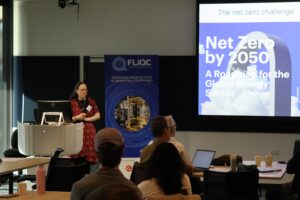
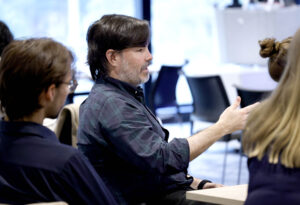
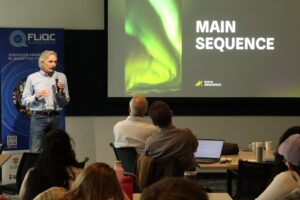
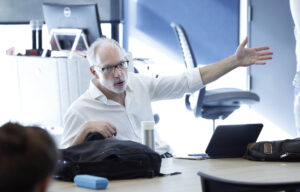
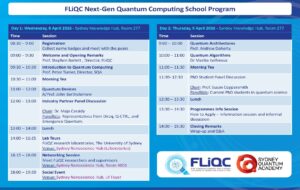
FLiQC welcomed final year undergraduate students to the Sydney Knowledge Hub at The University of Sydney for a two-day FLiQC Next-Gen Quantum Computing School with support from Sydney Quantum Academy. The school was designed to do something beyond a typical information session: give participants genuine access to the researchers, industry partners, and current PhD students who make up the FLiQC community.


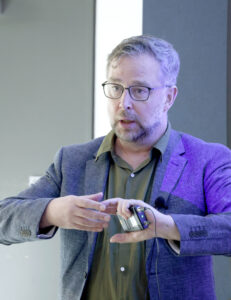
The program covered the full breadth of quantum computing, with talks from Centre Director Prof. Stephen Bartlett and Chief Investigators spanning the field, from quantum algorithms with Dr. Maria Kieferova, to architectures with Prof. Andrew Doherty, devices with A/Prof. John Bartholomew, and quantum computing fundamentals with Prof. Peter Turner. For students still finding their footing in the field, it was a rare opportunity to hear directly from the people at the frontier of each discipline.

Dr. Maja Cassidy then led an Industry Partner Panel, bringing in voices from Diraq and Emergence Quantum  – including Larissa Steele, Dr. Juan Pablo Dehollain, and Dr. Sebastian Pauka. The conversation gave students an honest picture of what industry looks for, and how an industry-embedded PhD bridges the gap between research and real-world application.

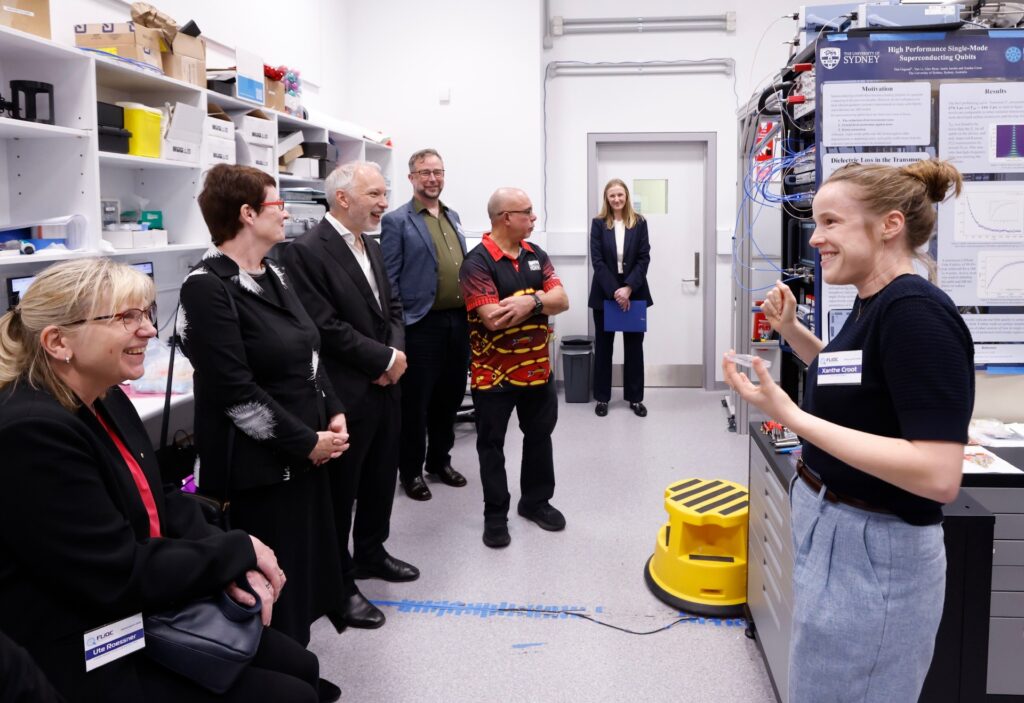
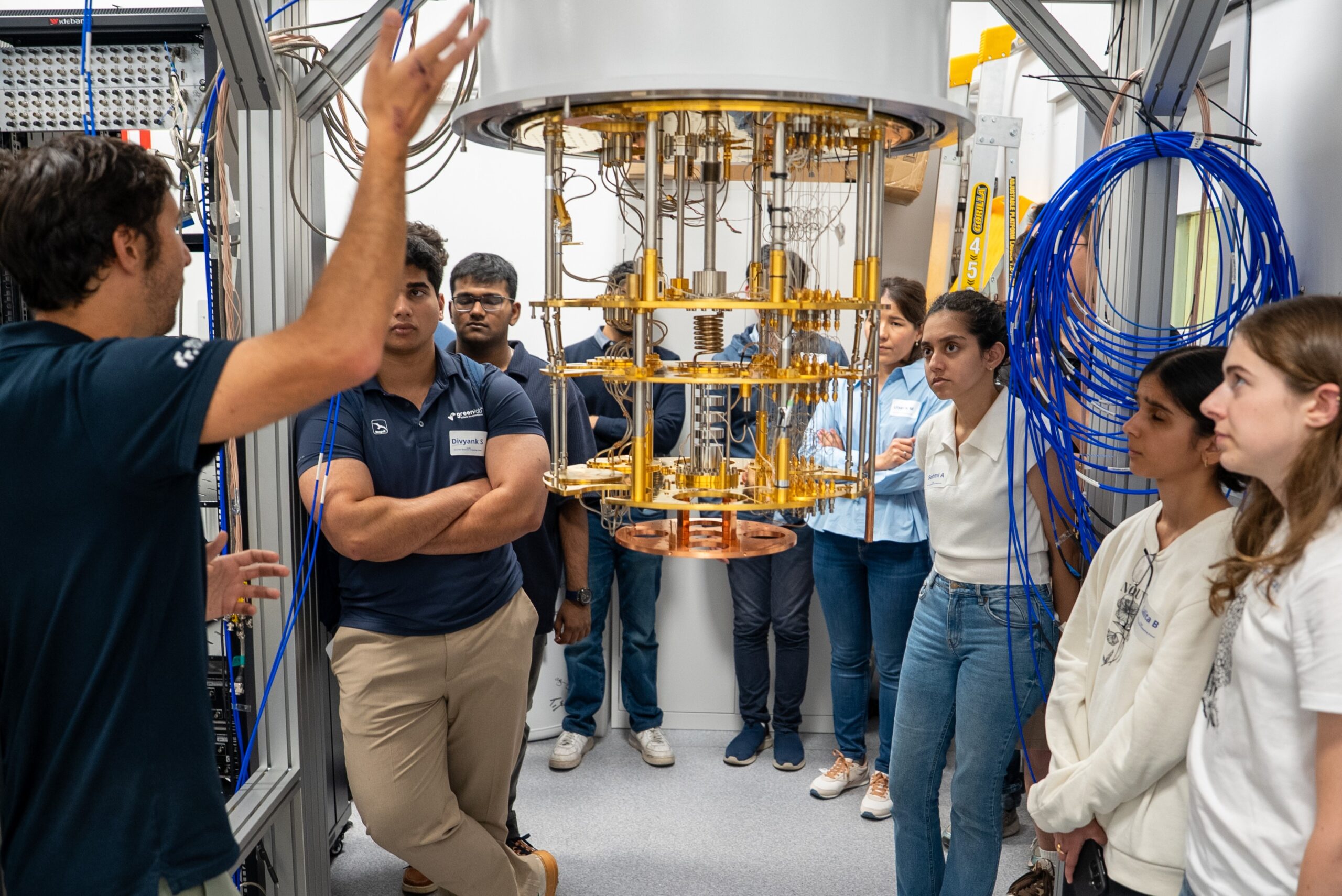
A visit to the Sydney Nanoscience Hub (also the home of FLiQC) added a tangible dimension to the day, seeing the physical infrastructure behind quantum research has a way of making everything more real. Students then moved into a networking session with Chief Investigators and industry representatives, the kind of informal exchange where some of the most important conversations happen.

To close, Prof. Susan Coppersmith chaired a candid discussion with current PhD students,  the voices perhaps most relevant to anyone weighing up the decision to apply. Hearing firsthand what the program actually looks like from the inside, day to day, is something no brochure can replicate.

We left the two days genuinely energised by the curiosity and enthusiasm in the room. We hope the students did too, and we look forward to seeing some of those familiar faces in the next cohort.

Interested in joining us next time? MESSAGE US


 Explore FLiQC Next-Gen QC School Full Program